October 16th 2024 is a day of celebration.
Why? It’s the day we crossed the state line from Minnesota into North Dakota and marks the day we’ve visited all 50 states and most Canadian Provinces! (Yes, we had to fly without the RV to Hawaii, but we did it while living in the RV so we’re counting it.) We originally thought we’d take a 1-2 year travel sabbatical and had no plan when we started this journey 4 1/2 years ago to see all 50 states, but here we are!
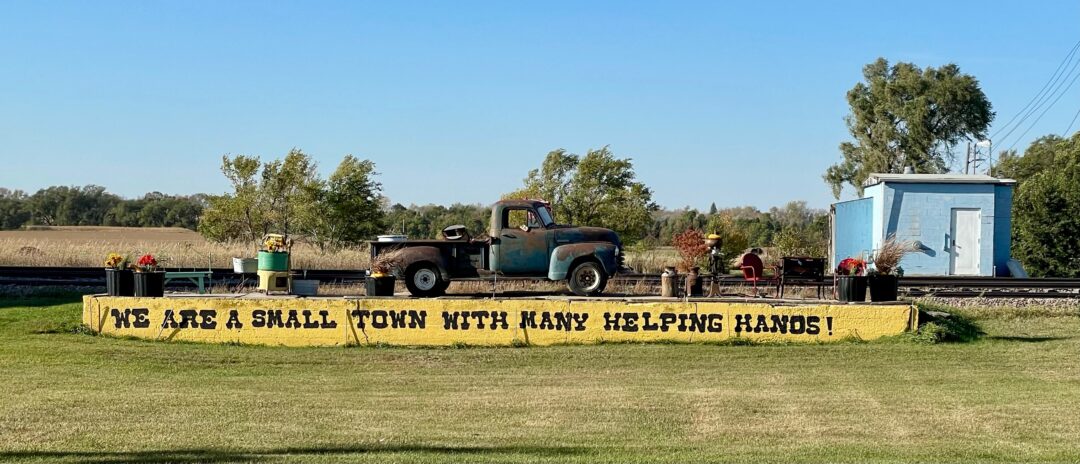
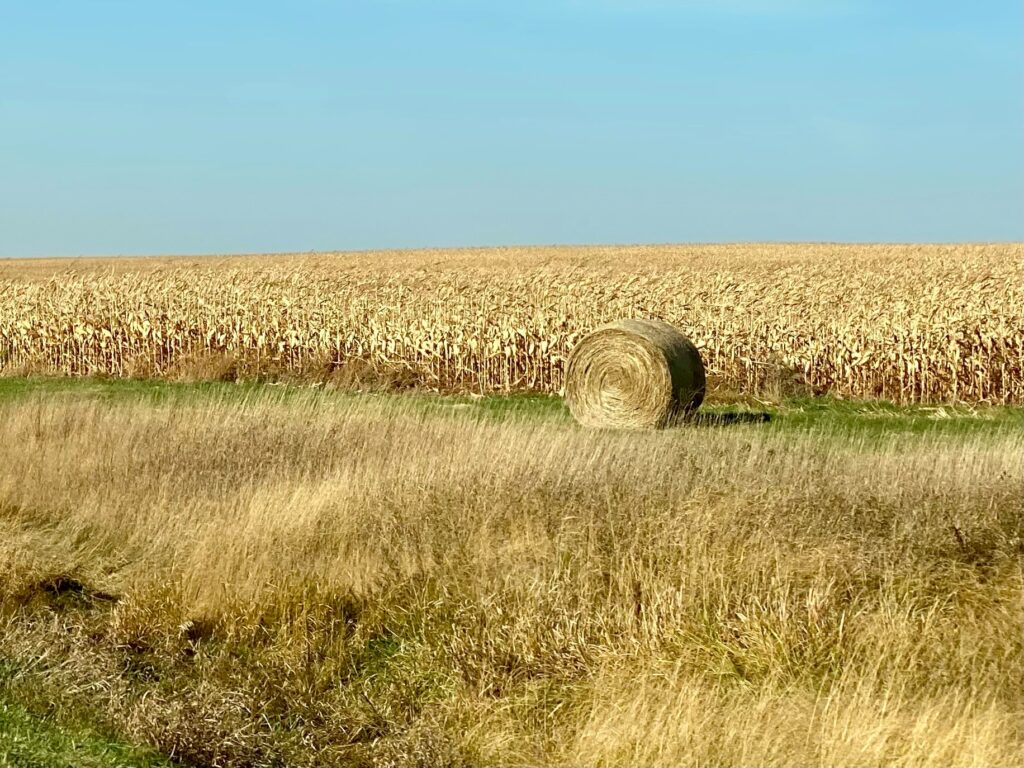
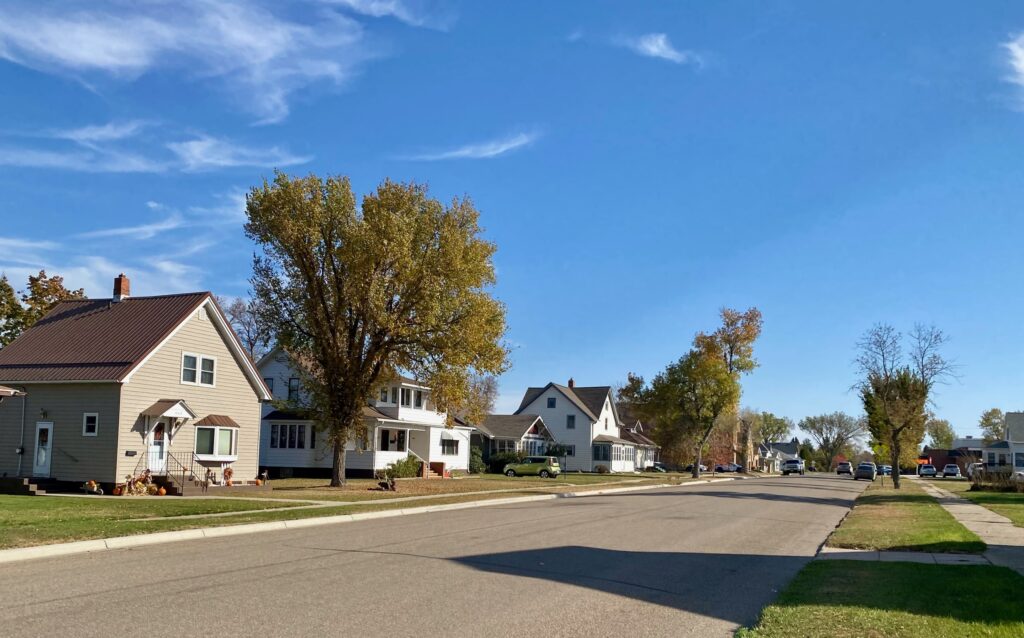
Reflecting back, it was fitting that our first activity in North Dakota was a stop near the New Rockford / Sheyenne area, as this area is part of Doug’s origin story. Doug’s grandmother, Nellie Moe (born 1897) was married to his Pennsylvania-born grandfather, Harold, at Nellie’s family farm just 7 miles south of Sheyenne, North Dakota in 1917. Their 6 children – Ovie, Ione, Buddy, Lowell, Dale, and Doris (Doug’s mother – the youngest of 6) were all born in and around this area. Doug’s mom was only about 3 years old when her family moved to Portland in 1941, following some of her siblings there.
Doug never met his great grandparents, but on a whim we decided to find the local cemetery to see if any of the Moe clan were buried there. We found the cemetery and Clem Moe’s headstone. Clem was Doug’s great grandfather – the father of his grandmother, Nellie.
If not for Clem, there’d be no Nellie, no Doris, no Doug and no 50 state journey!


.


.

.


.
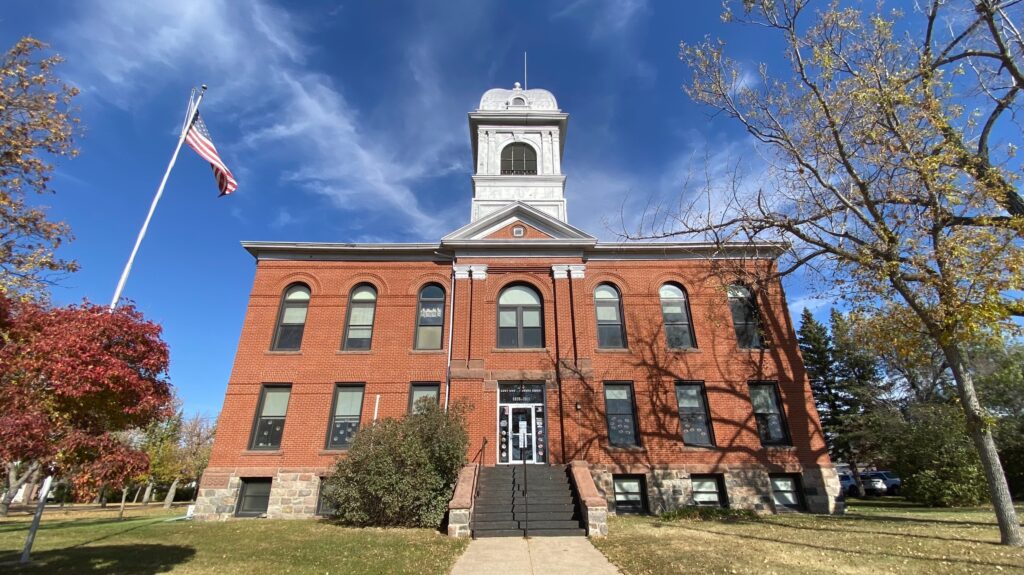
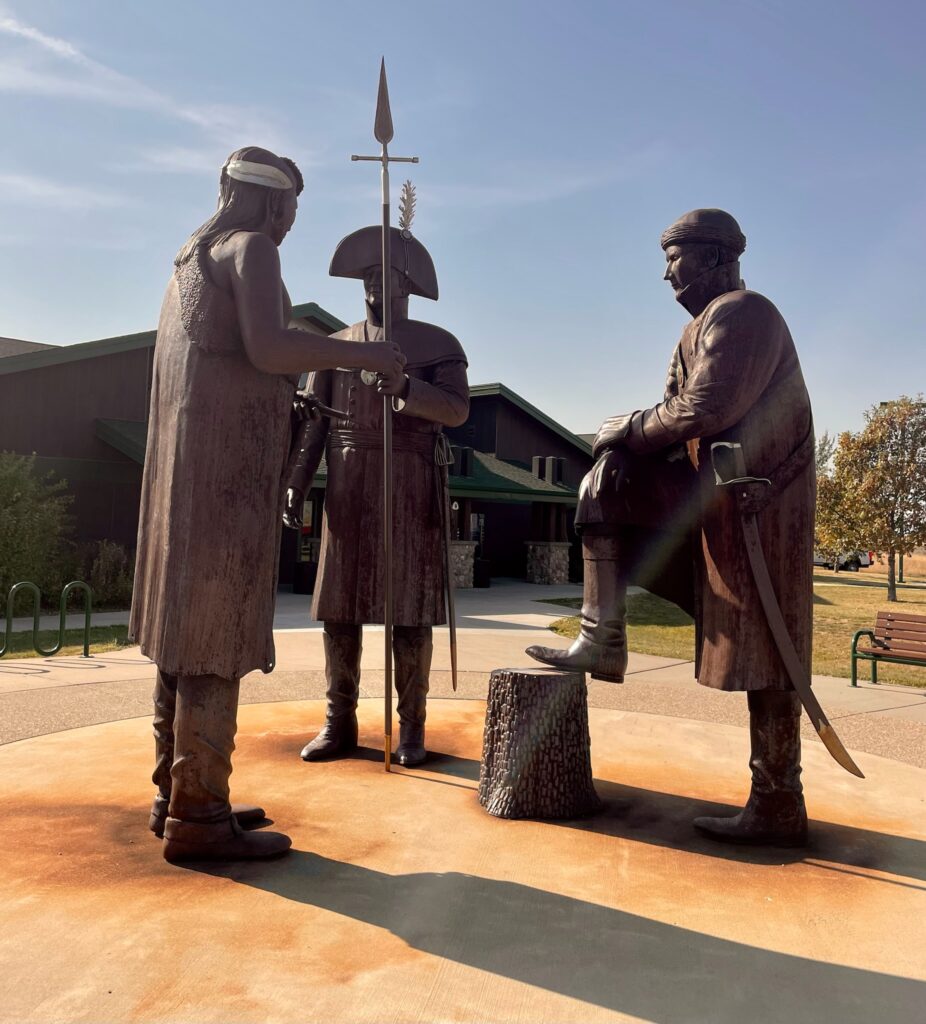
Our overnight stay was a few hours drive away in Washburn. There’s a fantastic Lewis and Clark Interpretive Center here that sits high on the bluffs overlooking the Missouri River.
We are fortunate to have so many tools at our disposal while travelling in the RV – cell phones, internet, map applications, campground reservations systems, etc that as we travel the country I’m in complete awe of early explorers who set out into the complete unknown. Lewis and Clark performed a daunting task and are among the most consequential explorers of all time due to their significant contributions to geographic knowledge, documentation of plant and animal species, relations with Native Americans and westward expansion.
During the harsh winter of 1804-1805, Meriwether Lewis and William Clark spent nearly 5 months in Washburn, making it one of their longest stops along the journey. This center’s multiple galleries starts with information about the various people that called this area home for centuries. The Mandan and Hidatsa People who lived in permanent villages along the river were instrumental in the survival of the Lewis and Clark party during their winter stay.
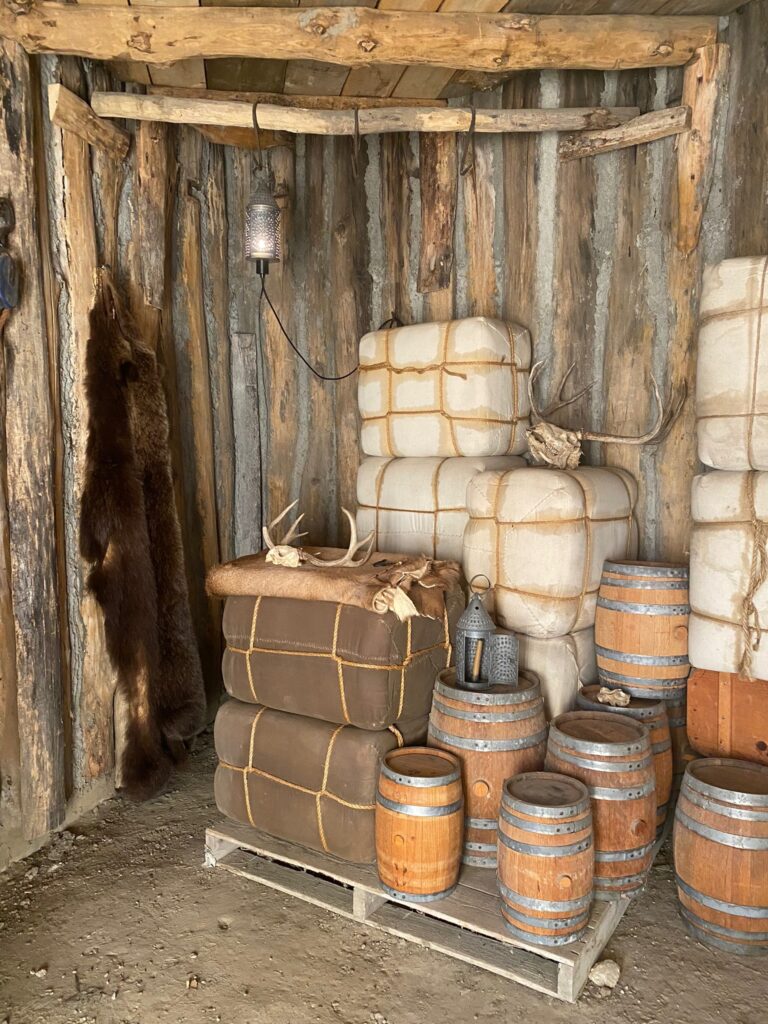
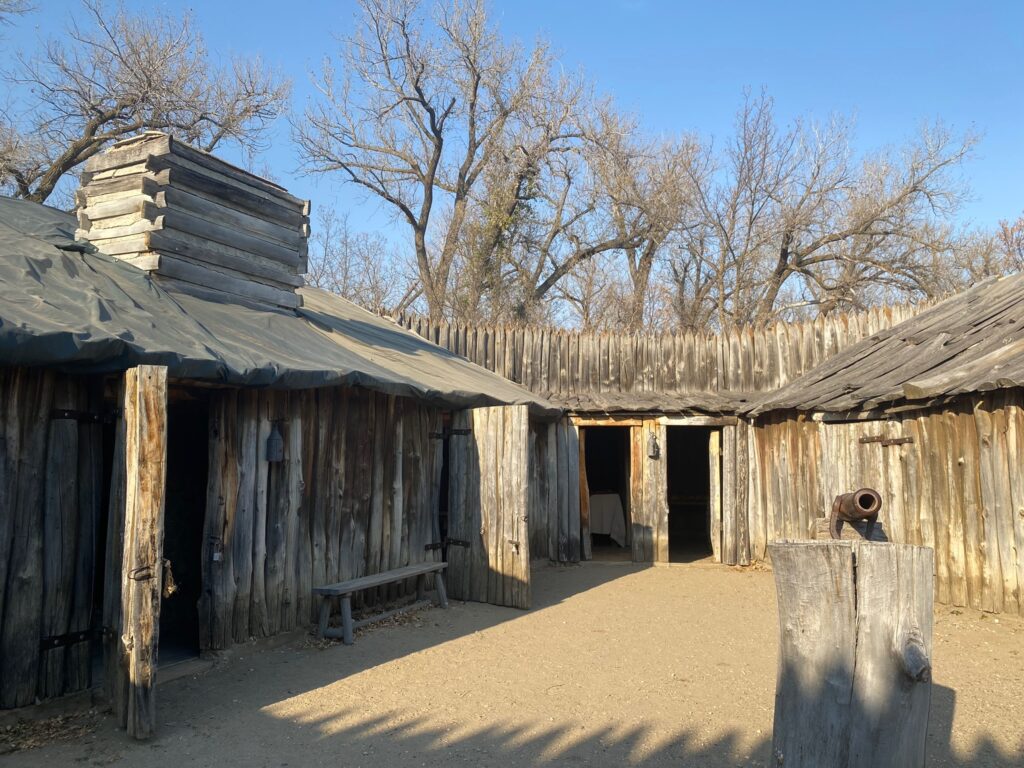
Just a couple of miles away from the museum is a meticulous reconstruction of Fort Mandan. This replica is where the Corps of Discovery weathered the brutal North Dakota winter. Free guided tours of the fort are offered and we recommend them. We learned about the daily challenges the men faced, not just from bitter cold (-40F) temperatures but also the complex diplomatic relationships with the Native Americans.
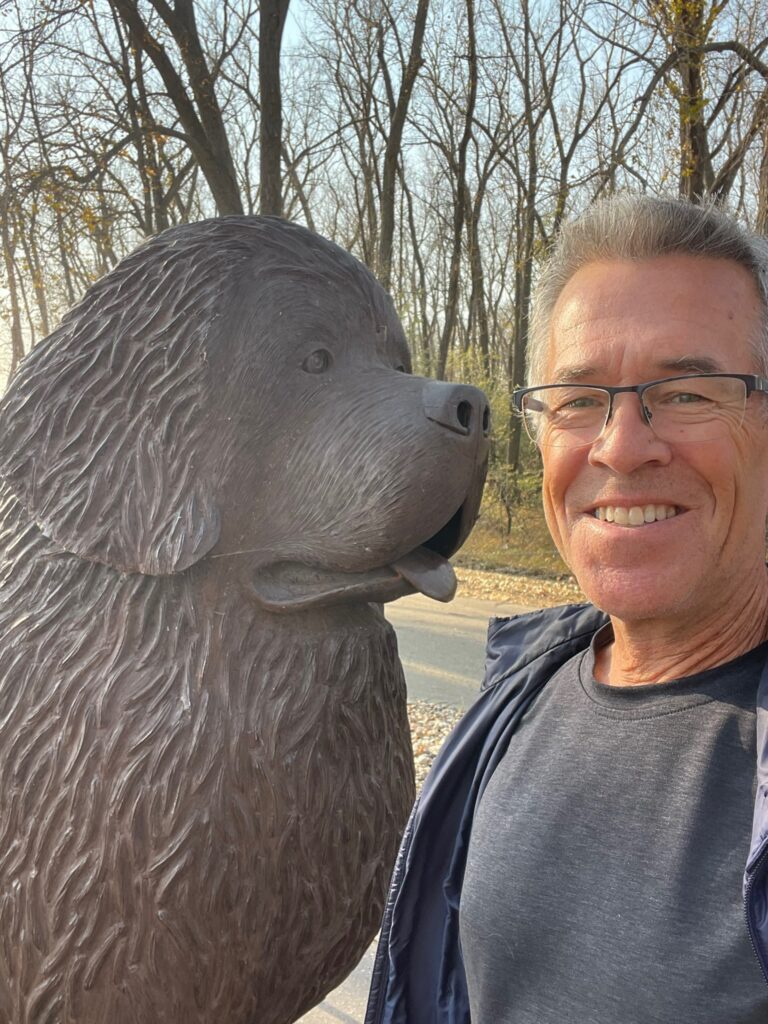
We also learned about Seaman, the Newfoundland dog, that was a member of the Lewis and Clark expedition. He was supposedly named Seaman because he loved the boat. He was said to be loved by the Native Americans because he was a breed they’d never seen. He helped the men hunt and even saved the party from a stray buffalo in buffalo stampede that came through camp during the night. He survived the entire journey!
What sets this Lewis and Clark site apart from others is their emphasis on the broader historical context. The exhibits, both informative and interactive, aren’t just about the expedition, but discuss how this area has been a meeting place of cultures for many generations. Native American trade from the Great Lakes to the Rocky Mountains and the role of the Missouri River in it provides context and helps to explain why Lewis and Clark chose to winter here and how the local knowledge proved crucial to the expedition’s ultimate success.
.


.
.
.
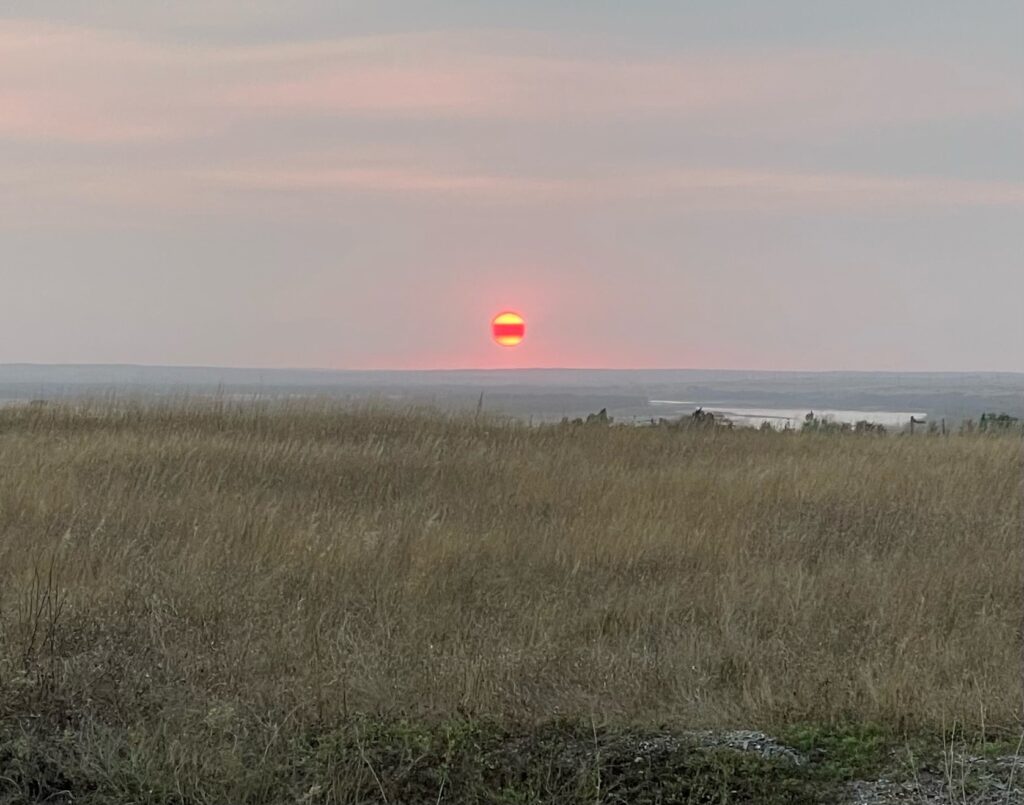
Visiting these two locations on the day we hit a huge milestone gave use the opportunity to reflect on how we ended up where we have and to stand where one of America’s greatest adventures (prior to the Heigel’s RV trip) unfolded. From the humble Moe farm to the Corps of Discovery’s journey and Seaman’s resilience, it is not lost on us that Doug, Bailey and I stand on the shoulders of so many that have come before.