It seems like the only thing I ever learned about Herbert Hoover was that he was in charge at the start of the Great Depression and it did not go well. I remember this from high school history classes only because the shanty towns of the unemployed became known as “Hoovervilles”, which sounds a lot like Dr. Suess’ Whoville, which was easy to remember on a test.
After a quick overnight near Iowa City’s Devonian Fossil Gorge, we’d be enlightened at the Herbert Hoover Presidential Museum in West Branch, where the story and yes, legacy, of Herbert Hoover is much more than his role is in The Great Depression. In fact, few American presidents embody such striking contradictions – a globally celebrated humanitarian who became the face of government failure during America’s greatest economic crisis.
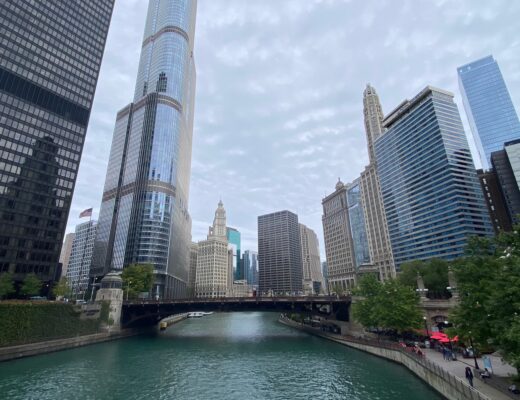
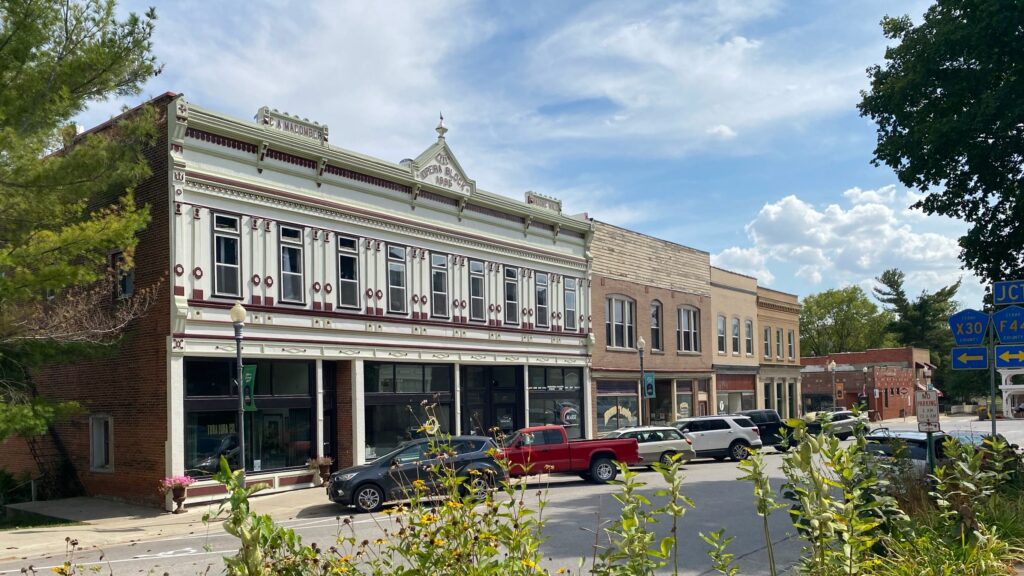
We made a brief stop in Iowa City the afternoon before our visit to the Presidential Museum. Home to the University of Iowa campus, its small downtown was a blend of Midwestern hospitality and college-aged vibrancy.


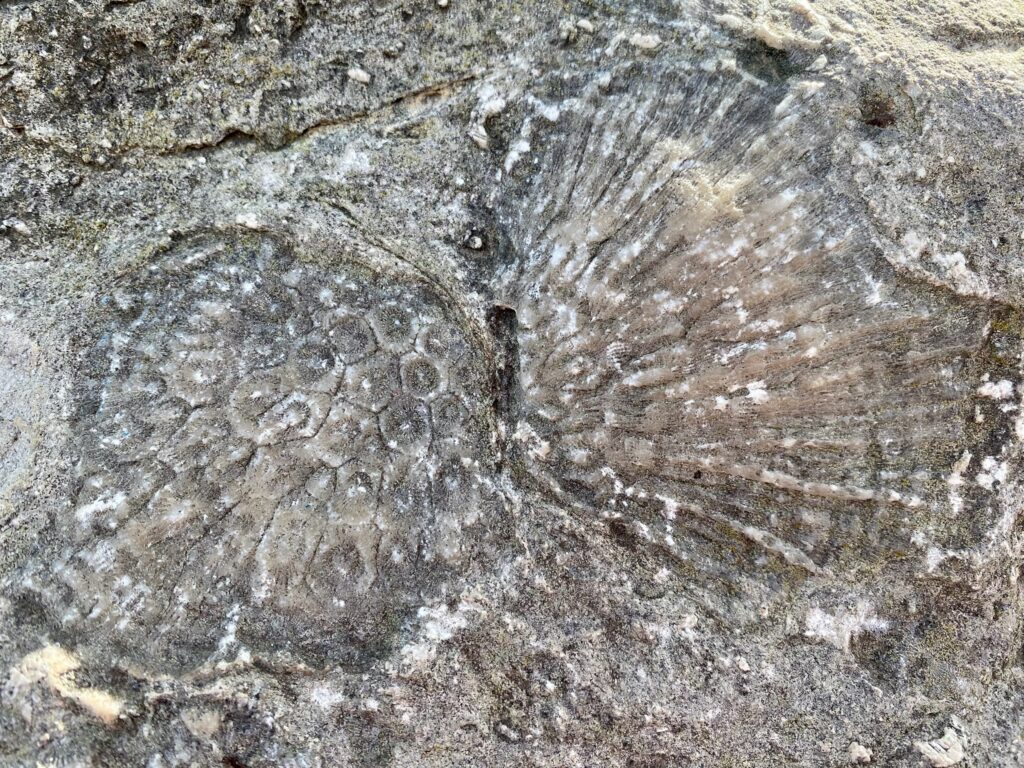
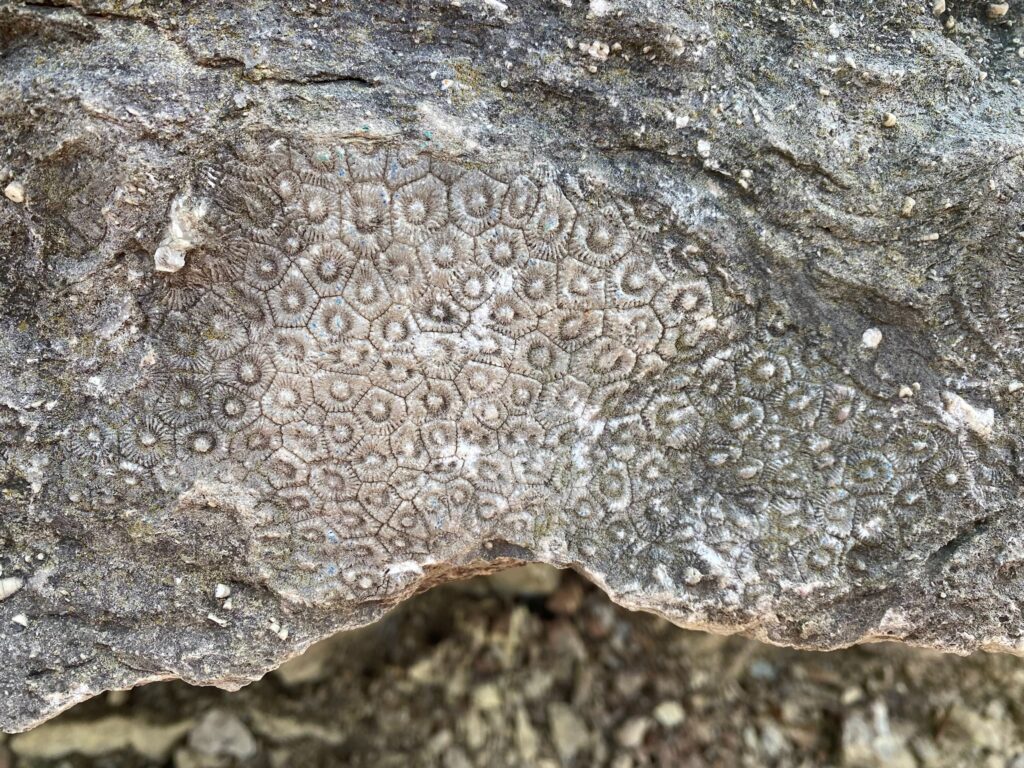
After some quick take-out BBQ, we made the short drive to our campsite for the night – next to the Devonian Fossil Gorge. This geological time capsule was apparently exposed by the floods of 1993 and 2008. An ancient seabed from 375 million years ago holds beautifully preserved fossils of marine creatures.


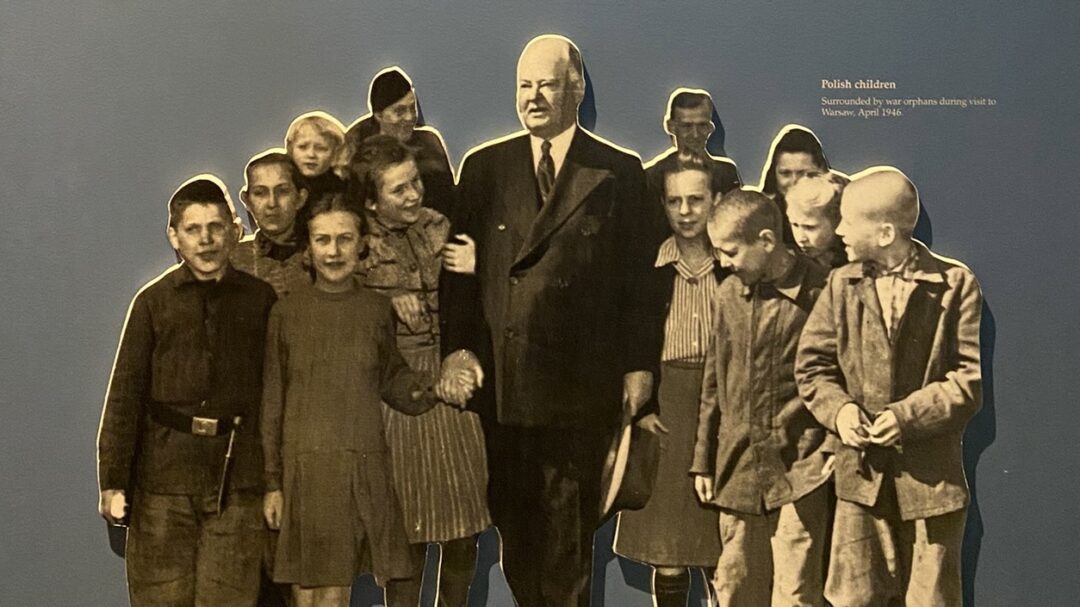
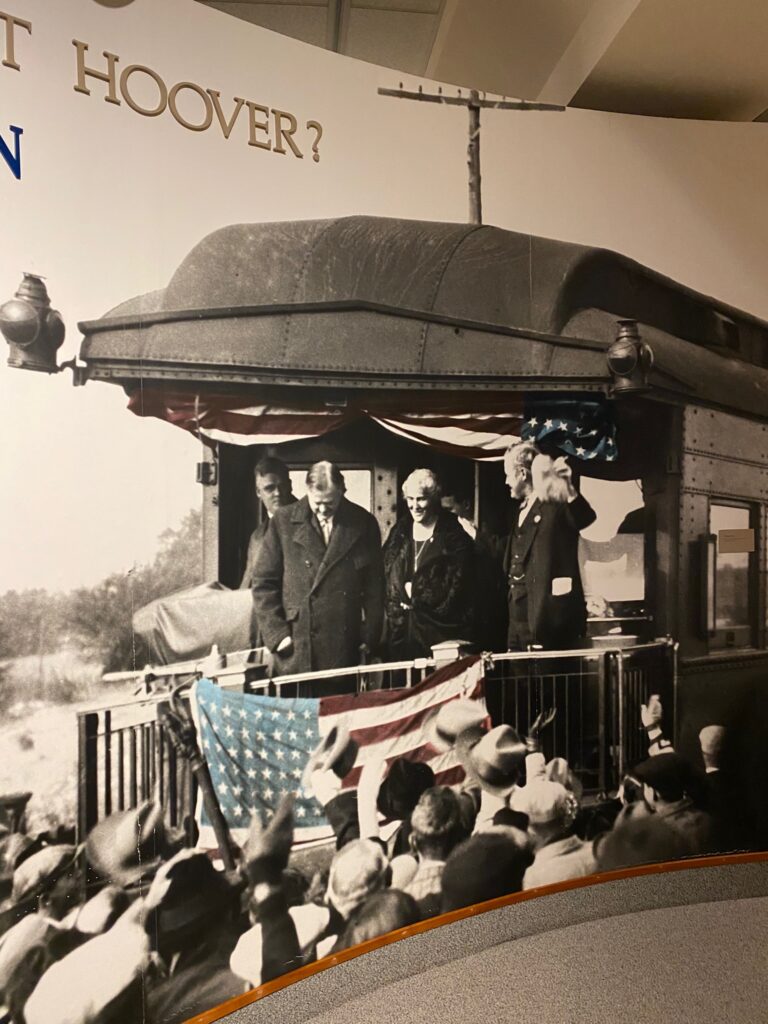
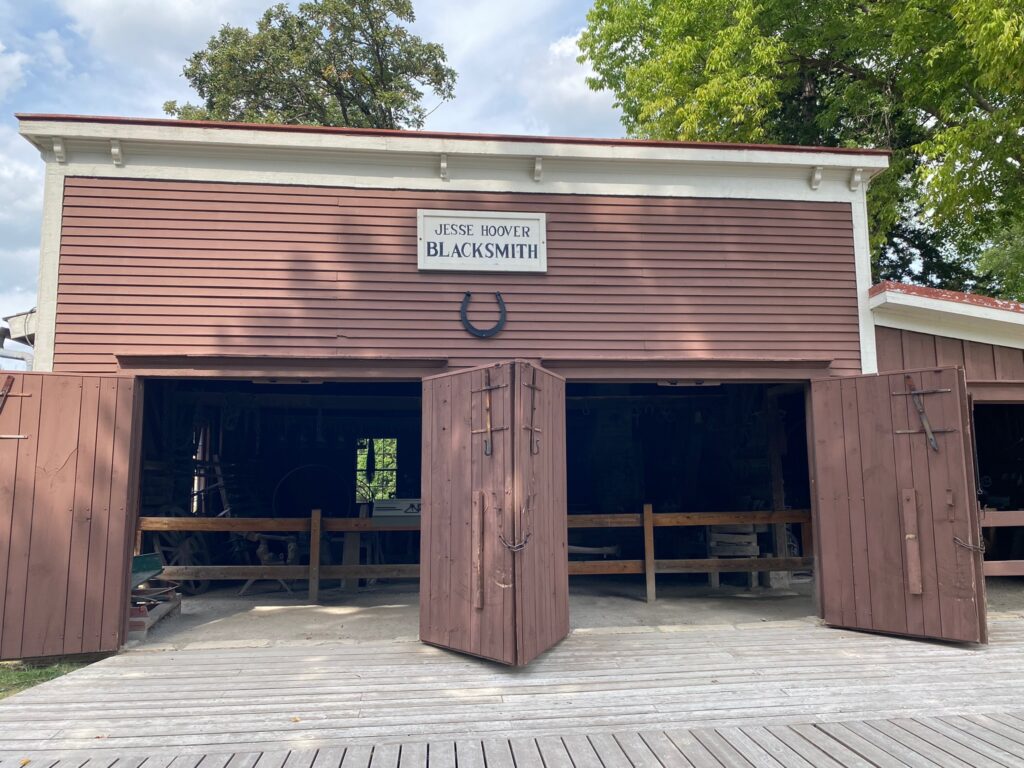
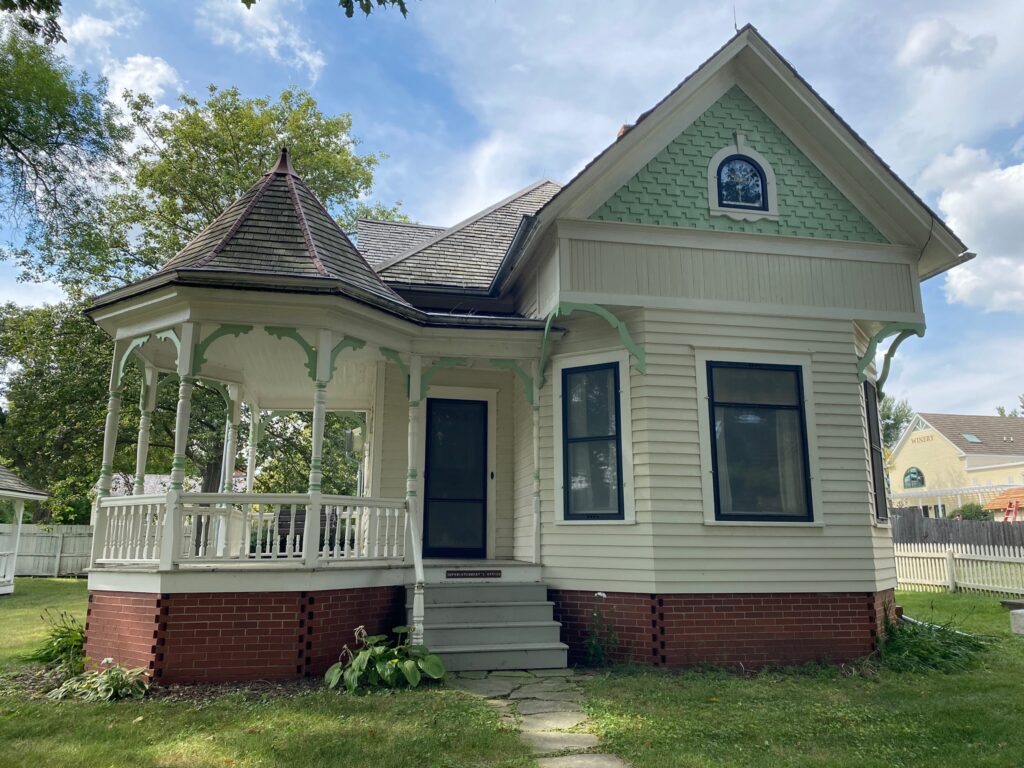
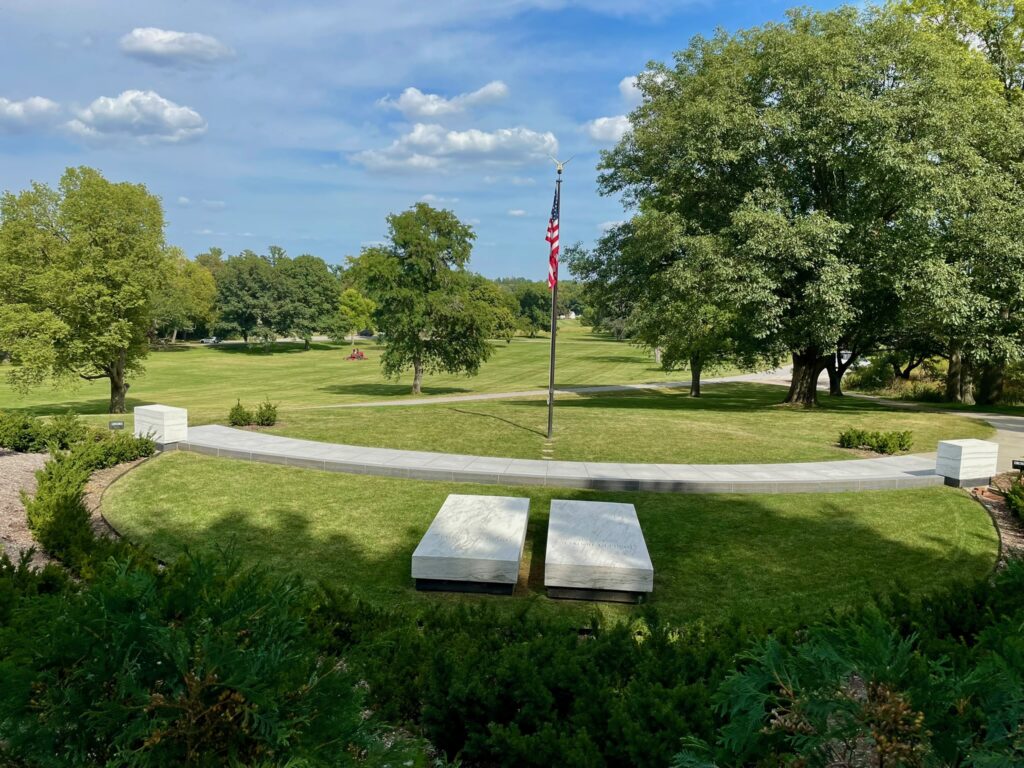
After arriving in quiet West Branch we began the self-guided tour of the Herbert Hoover Presidential Museum. It’s the story of a Quaker boy who rose through force of will.
From Orphan to World-Renowned Humanitarian
Orphaned at nine, Herbert Hoover rose from humble beginnings to international acclaim.
He attended Stanford and early in his career, he became a self-made millionaire as a mining engineer that revolutionized mining practices worldwide.
Before entering politics, he directed massive relief efforts that saved millions from starvation. During and after World War I, Hoover:
-
- Rescued 120,000 Americans stranded in Europe when war broke out.
- Led the Commission for Relief in Belgium, feeding millions in German-occupied territory
- Directed the U.S. Food Administration during wartime
- Orchestrated food relief to 23 European nations after the war and
- Saved approximately 10 million Russians during the Soviet famine of 1921-22.
These achievements earned him the nickname “The Great Humanitarian”. He would go on to become a good Secretary of Commerce, laying the groundwork for the FAA and modernizing industry. All of this would eventually propel him to a landslide victory in the 1928 presidential election.


Confronting the Great Depression
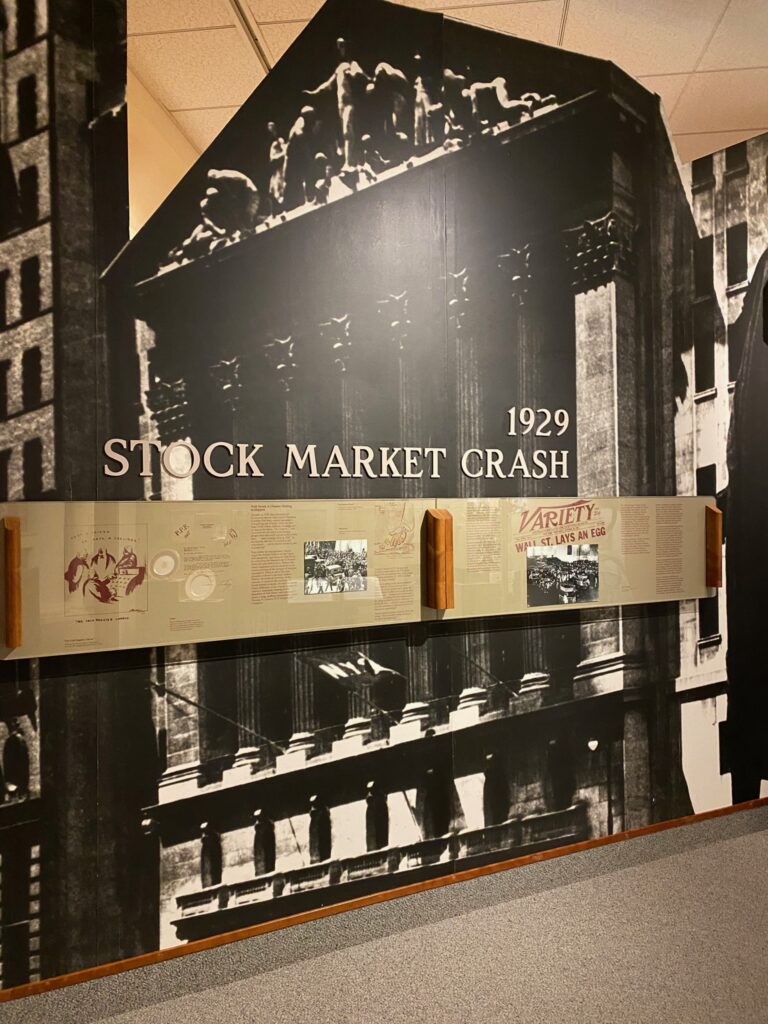
When the stock market crashed in October 1929, Hoover’s leadership was tested in ways that revealed the limitations of his approach. While he took more federal action than any previous president facing economic crisis, including establishing the Federal Farm Board to support struggling farmers, the Reconstruction Finance Corporation to provide loans to banks, railroads and businesses, and increasing public works spending like the Hoover Dam, his response proved inadequate.
Hoover’s fundamental beliefs constrained his actions at the start of the Great Depression. He feared direct federal relief would undermine American self-reliance, trusted in voluntary cooperation among businesses and charities, and believed market forces would eventually correct the economy.
As unemployment soared beyond 25% and suffering intensified, “Hoovervilles” (shanty towns) became bitter symbols of his perceived failure.
Understanding the Contradiction
The skills that made Hoover an extraordinary humanitarian administrator didn’t translate to political leadership during an unprecedented crisis. His engineering mindset sought technical solutions to what were essentially political and social problems. His communication style—reserved and academic—failed to provide the reassurance Americans desperately needed. Modern historians offer now recognize that he faced an economic collapse with limited tools and understanding and many of his initiatives formed the foundation for New Deal programs his successor, FDR, would expand.
Post-Presidency Contributions
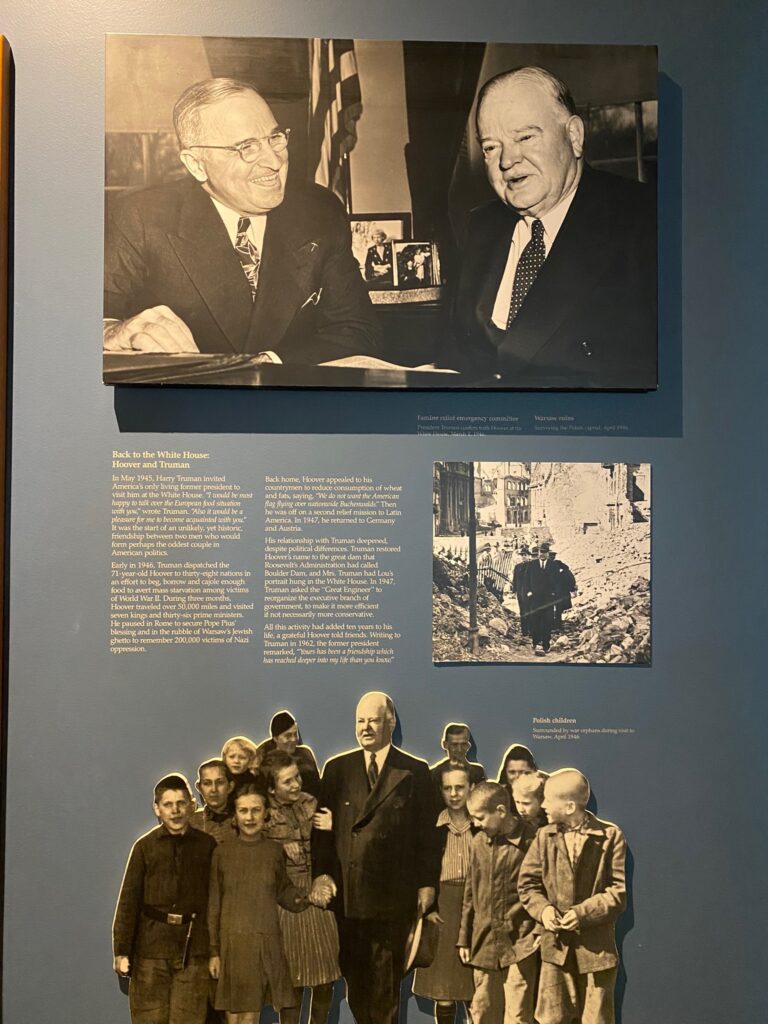
Following his presidency, he’d continue his service to others. He led two commissions under Presidents Truman and Eisenhower to streamline government operations. Continued his humanitarian efforts, assisting in post-WWII European recovery and authored numerous books on government reform, economics, and American values.


.
A Legacy of Complexity
The Herbert Hoover Presidential Museum presents neither a whitewashed hero nor a callous villain, but a man of principle whose same qualities produced both remarkable achievements and significant failures. Hoover’s story reminded us that simple narratives never tell the full story and visiting the museum challenges us to move beyond the simple soundbite and embrace the contradictions that make historical figures, and all of us, fully human.