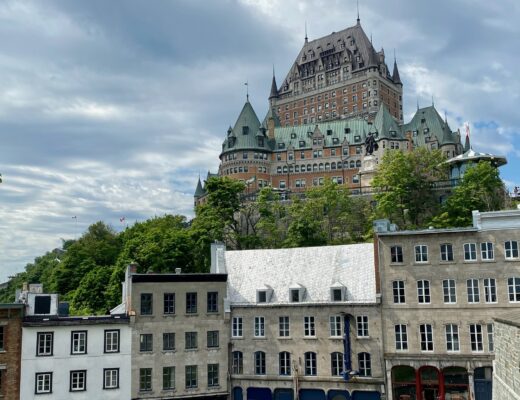
A visit to the Minnesota State Capitol in St. Paul and the nearby St. Paul Cathedral is a lesson in architecture as these two stunning landmarks showcase different but complementary styles of grandeur.
The Minnesota Capitol is a masterpiece of Renaissance Revival architecture, designed by renowned architect Cass Gilbert, who designed the Woolworth Building in New York, which popularized the skyscraper and was the the tallest building in the world. He would later go on to design the U.S. Supreme Court Building in Washington, D.C.
The Minnesota Capitol was completed in 1905 after 9 years of construction. It’s actually the 3rd building to serve as Minnesota’s Capitol with construction costing $4.5million, a substantial sum for its time!
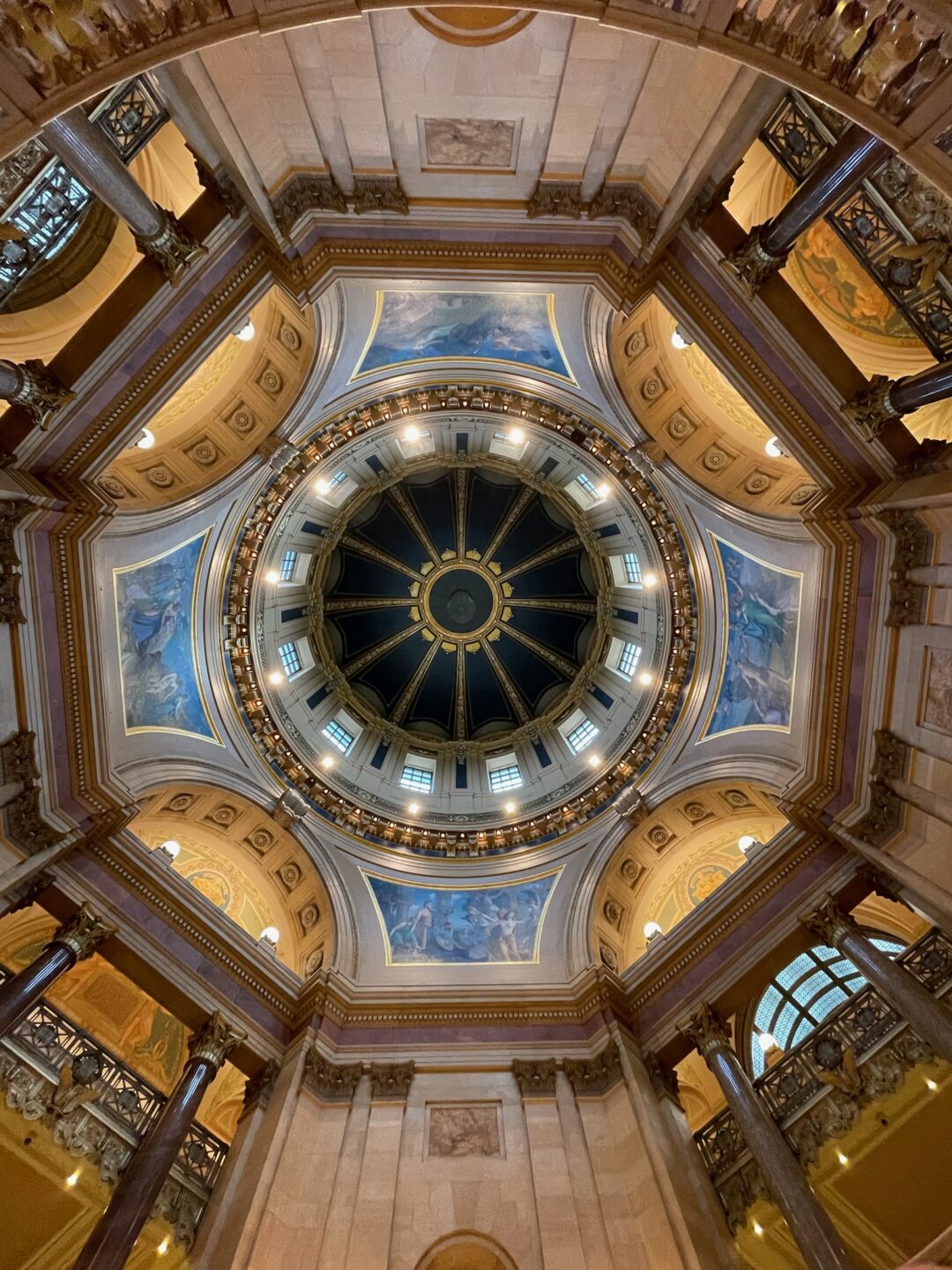
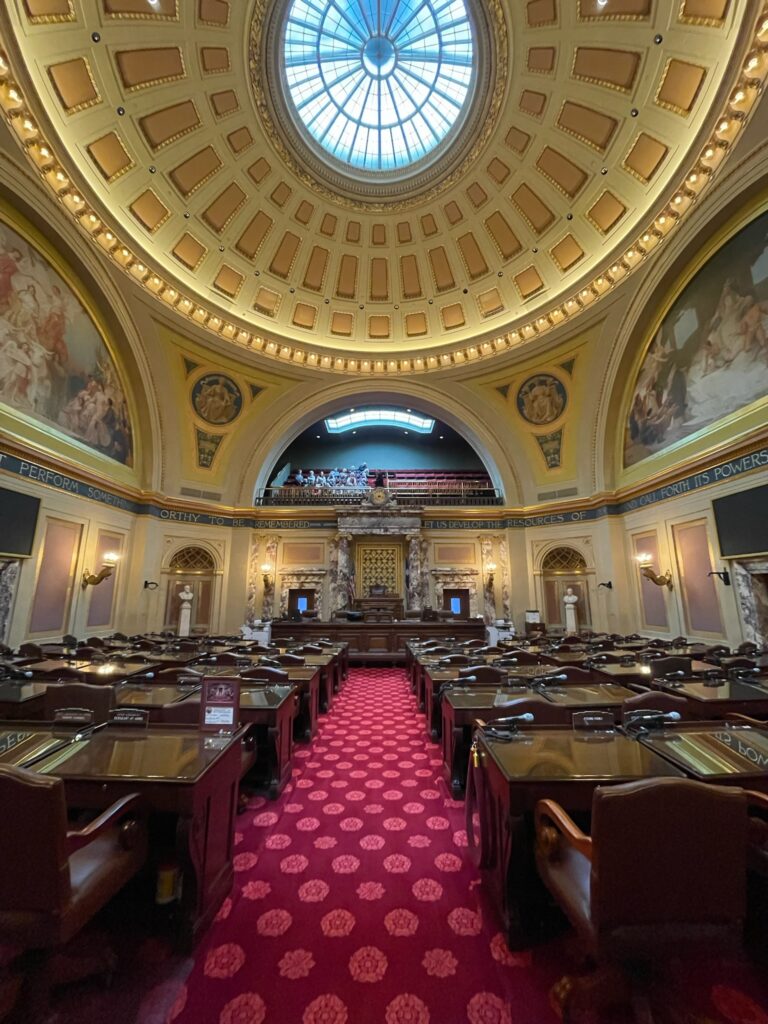
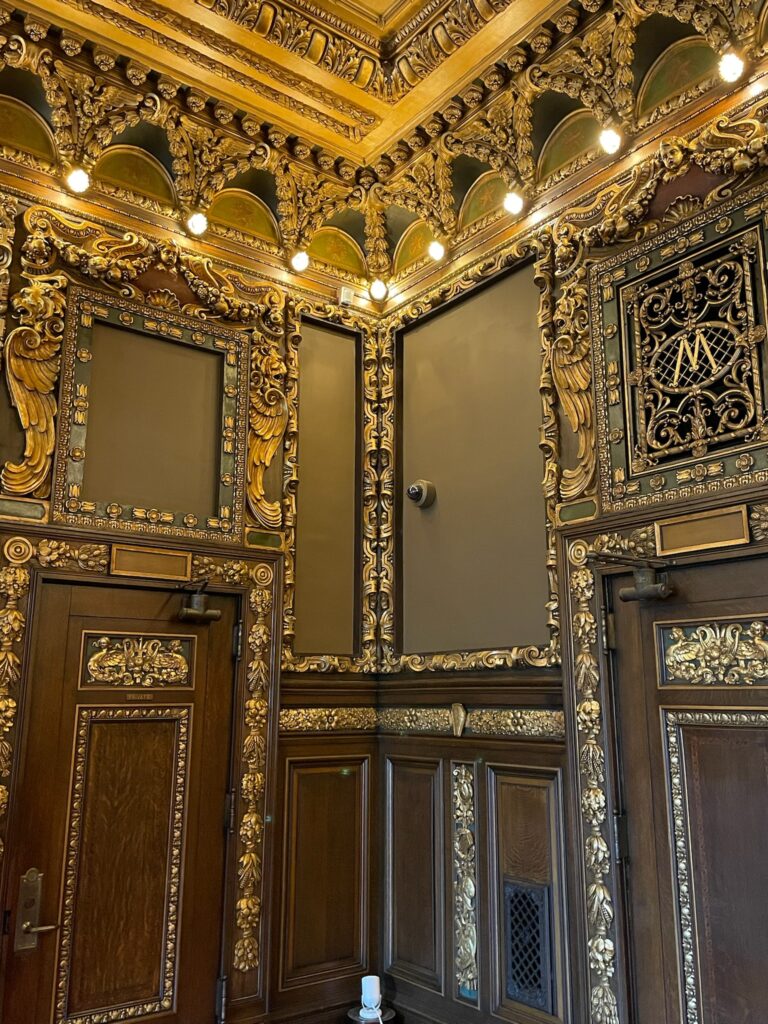
It was the first building to be electrified in Minnesota in 1905. It has the second largest self-supporting dome in the world – larger than the one in the Taj Mahal – and hanging from it’s center is a crystal chandelier that’s 6 feet in diameter. It’s 40,000 glass beads represent the North Star and Minnesota’s moto “the North Star State”. Over 20 different types of stone are present in the building. Some of the original paintings cost more than $10K in 1900. These, along with the rest of the building, have undergone a $310 million repair and restoration as of 2017, allowing visitors to experience this building in its original, vivid color.



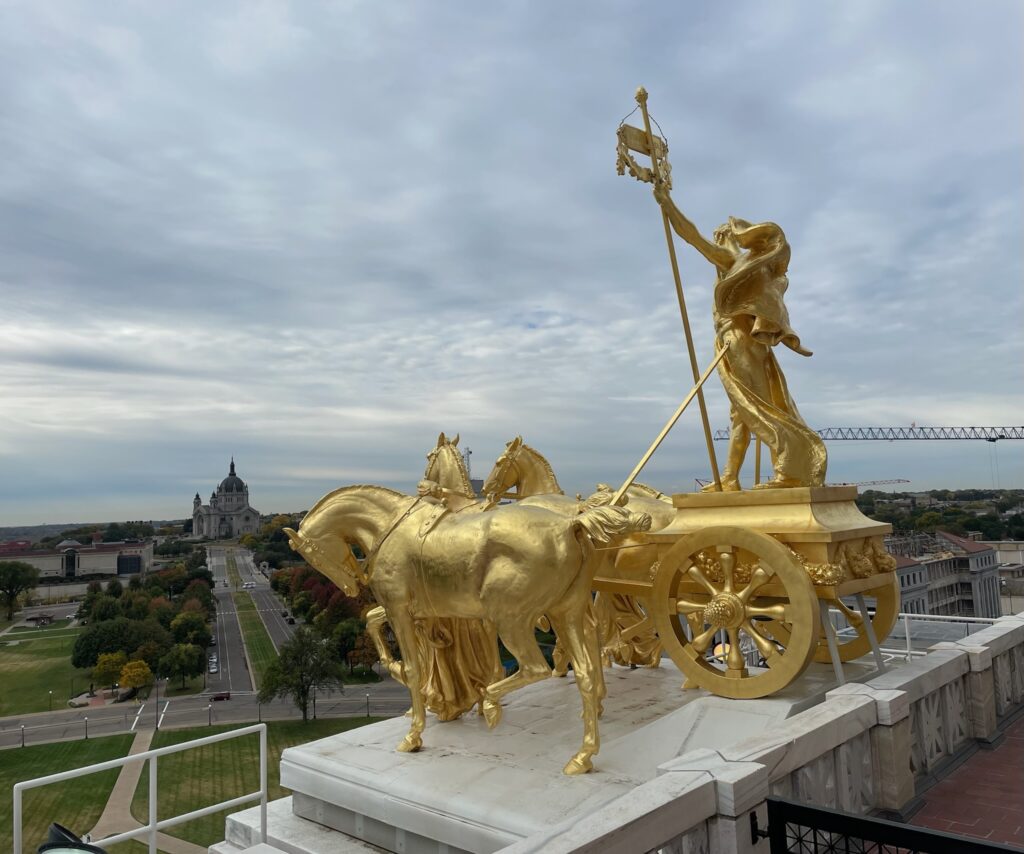
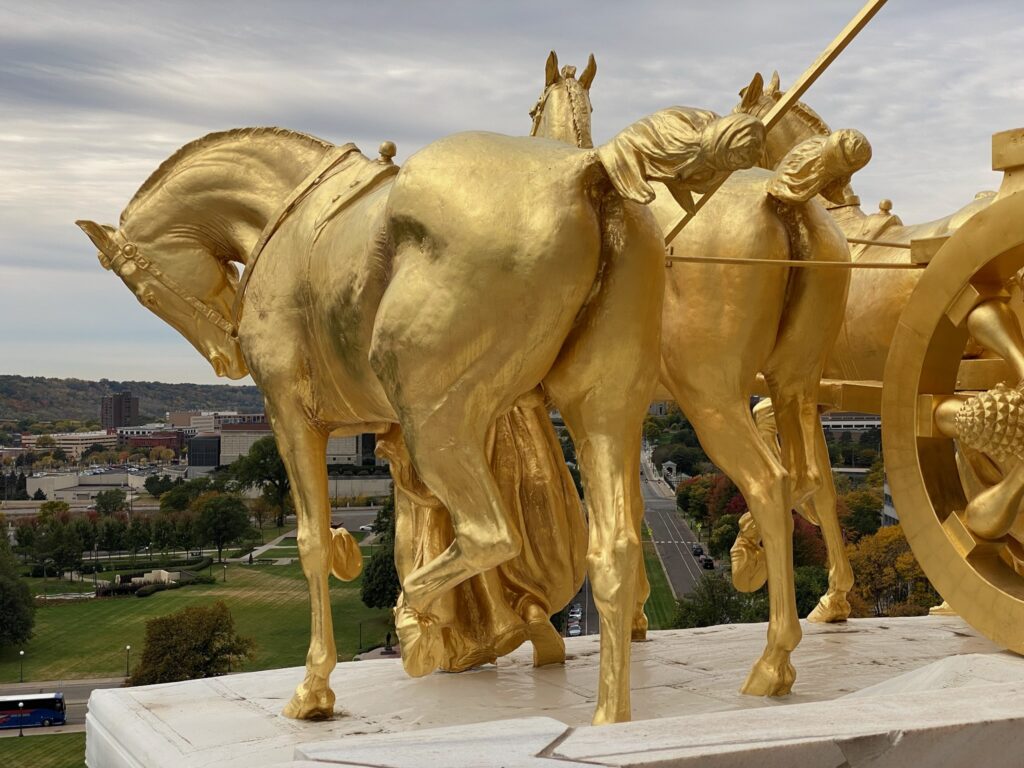
Part of the free guided tour provides a roof-top view and a better look at the 4000lb, gold-leaved chariot pulled by four horses that adorn its top. 6.5lbs of new gold leaf must replace the old leaf about every 10 years. In addition, from above, there’s a wonderful view of our next stop, St. Paul Cathedral.
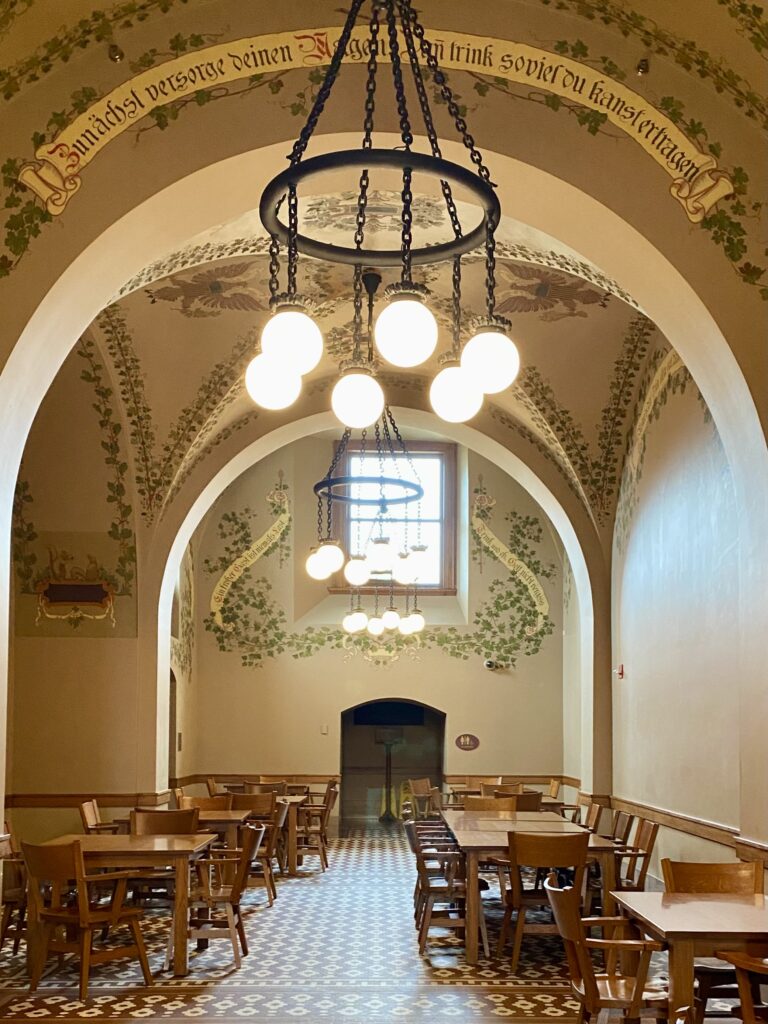
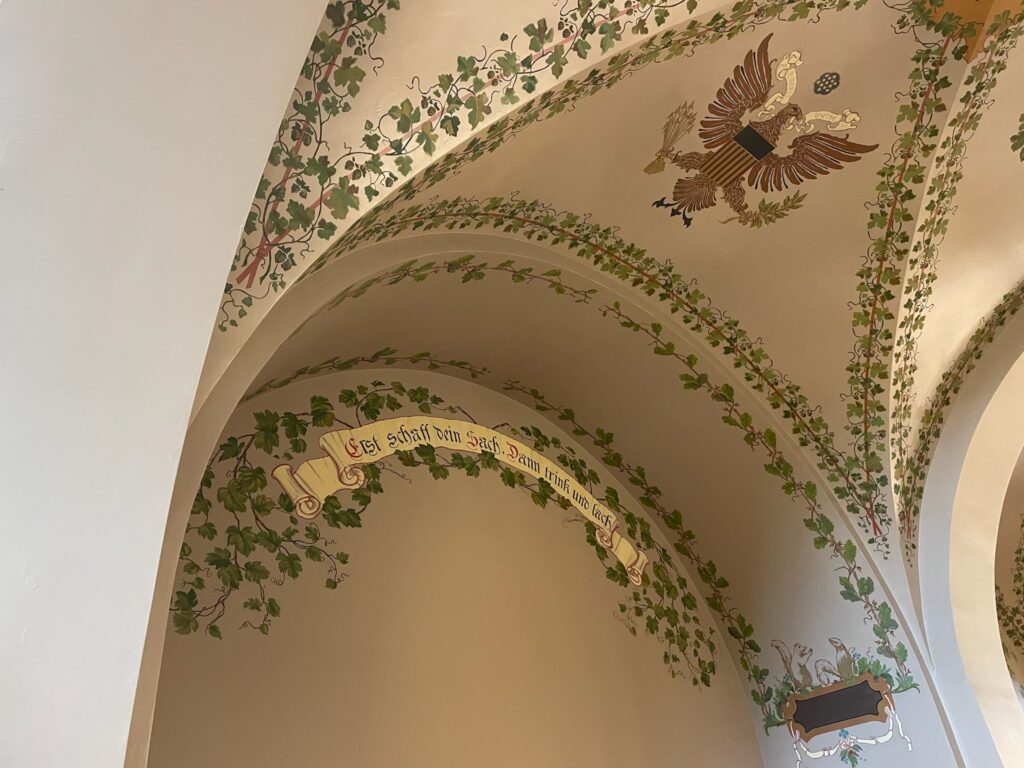
Following the free tour, sneak down to the basement which has vaulted ceiling decorated with grape vines, flowers, mythical birds and German mottos. This cafeteria once served beer. It was painted over during WWI due to anit-German sentiment and Prohibition), but has since been restored.

.
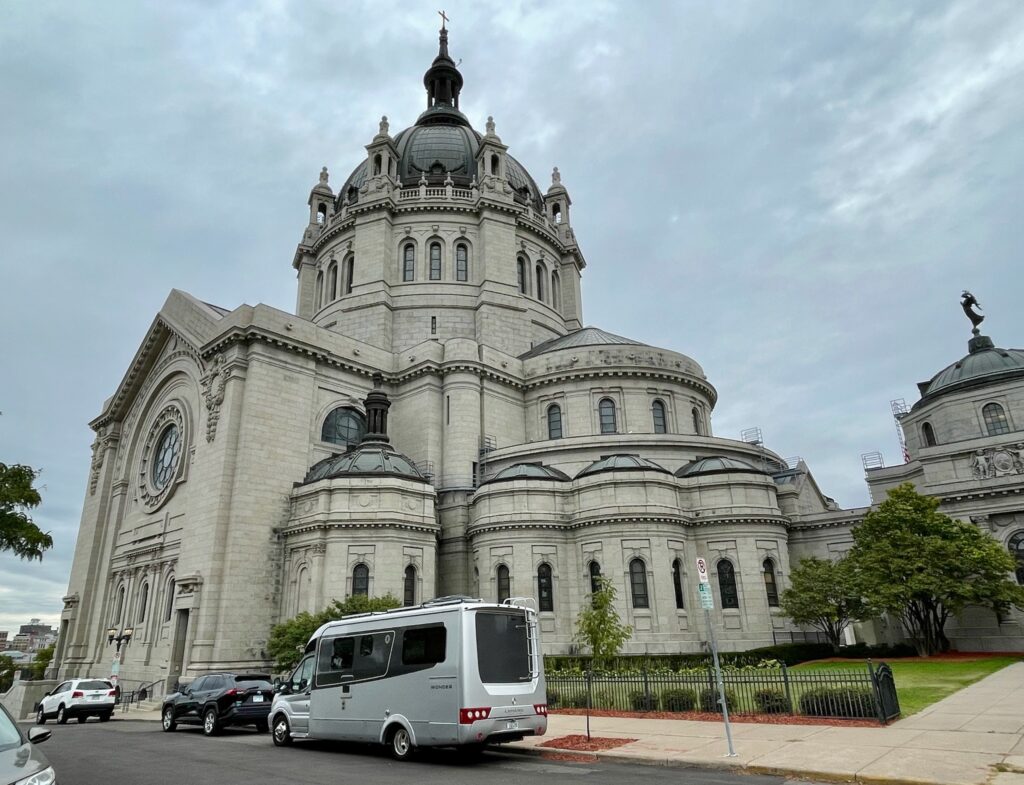
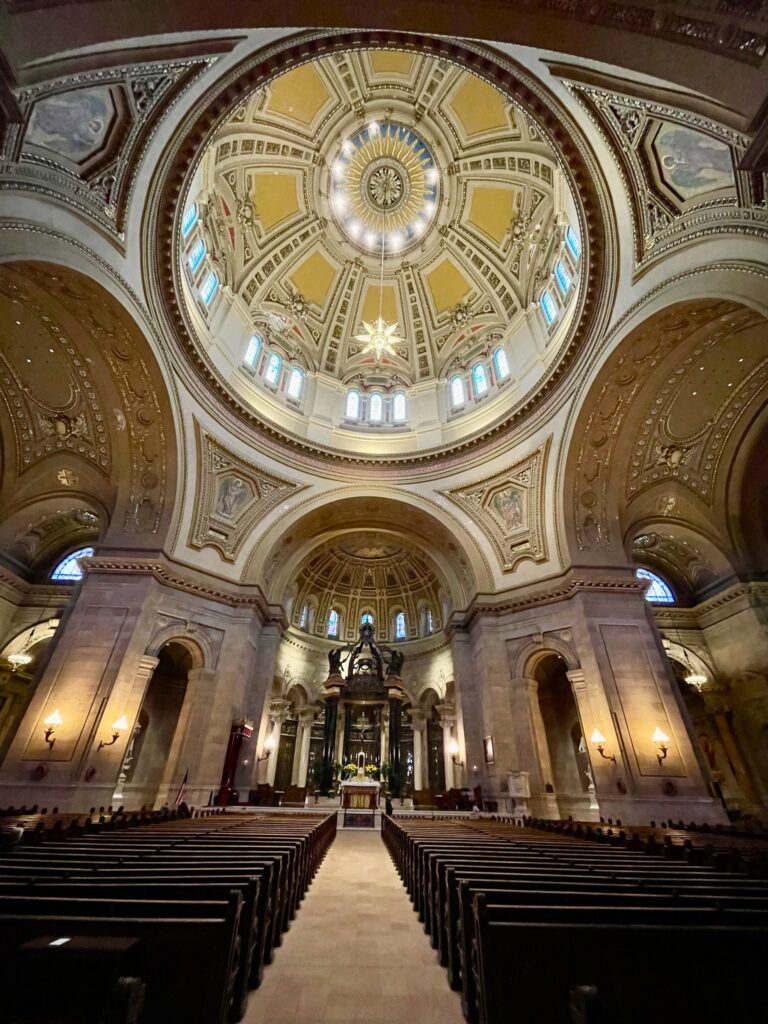
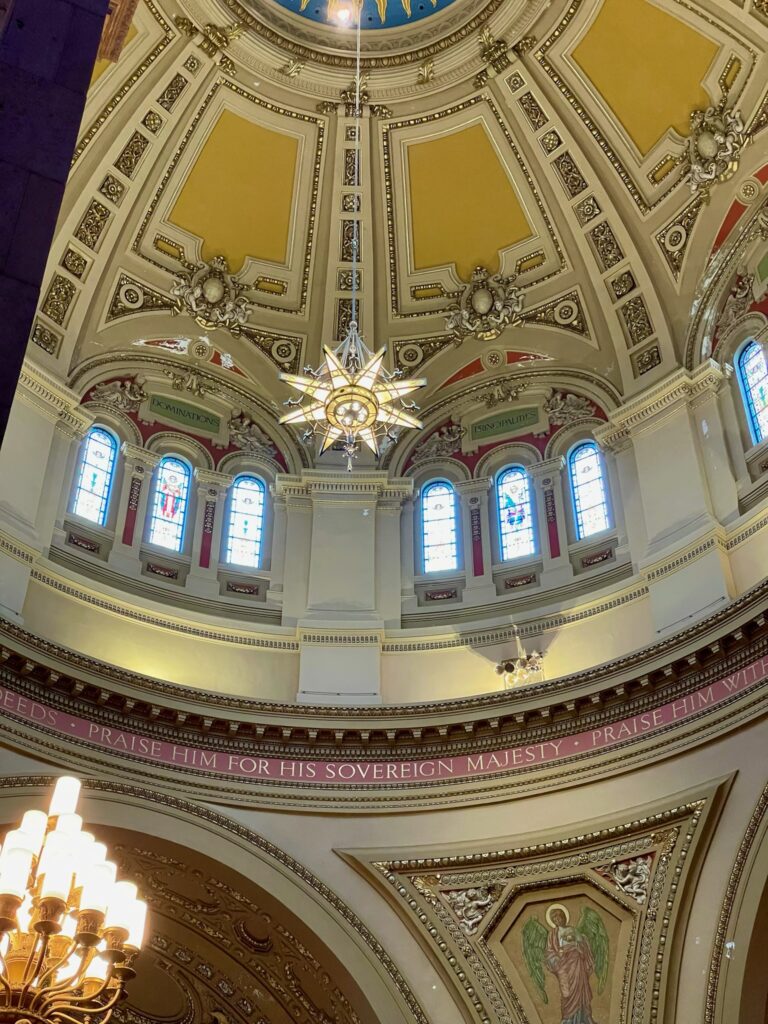
It’s a bit of a walk or very short drive to the nearby St. Paul Cathedral. The cathedral provides a spiritual and cultural counterpoint, representing the immigrant communities (particularly French and Irish Catholics) who helped build Minnesota. The travertine exterior is topped with a massive 76-foot-in-diameter dome that is 186 feet tall, making it one of the most recognizable landmarks on the St. Paul skyline. This is the 4th cathedral built in St. Paul. The first was a humble log chapel built in 1841 by Father Lucien Galtier who gave the city its name when he dedicated the chapel to St. Paul.
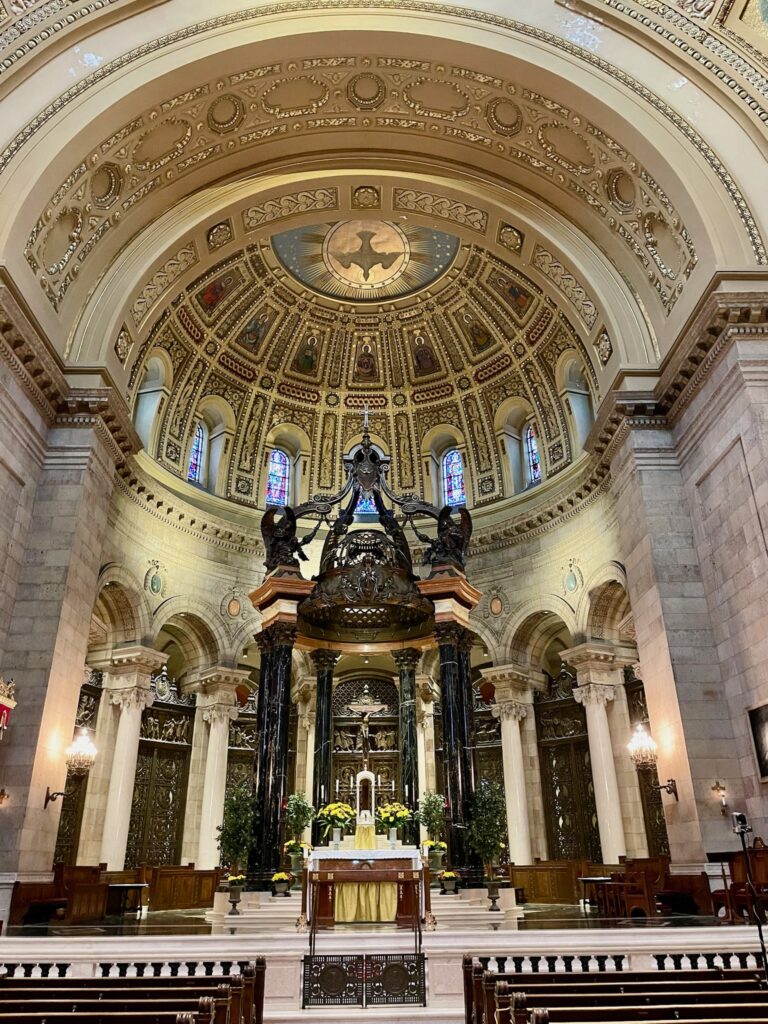
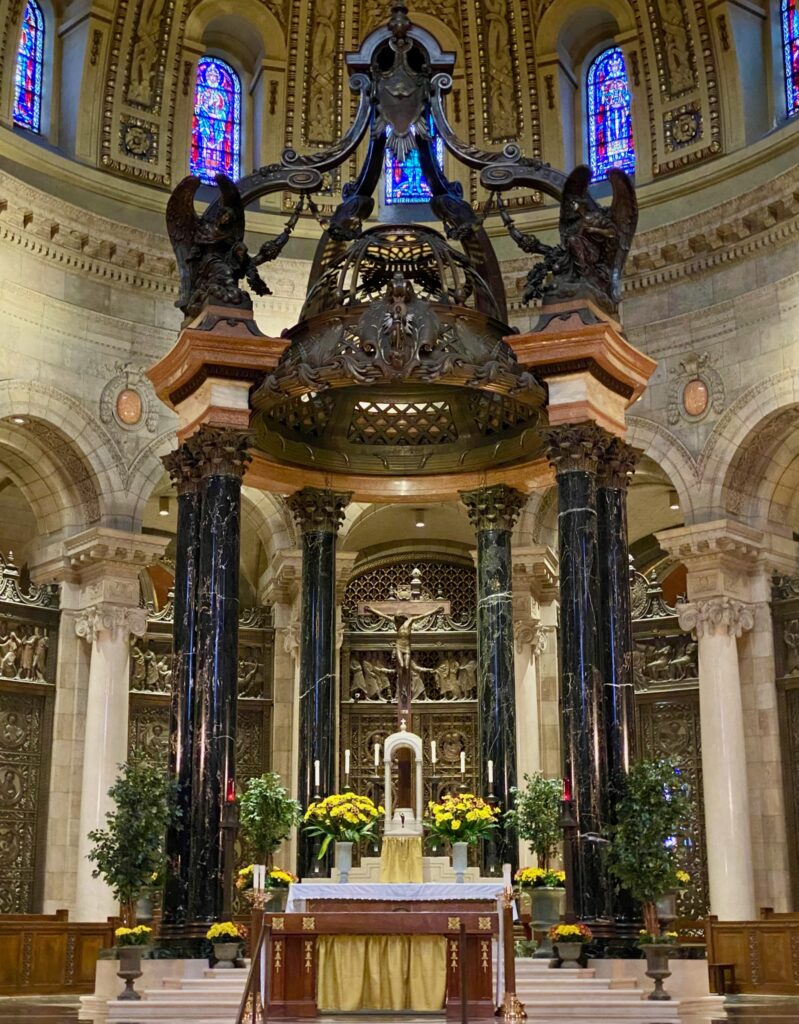
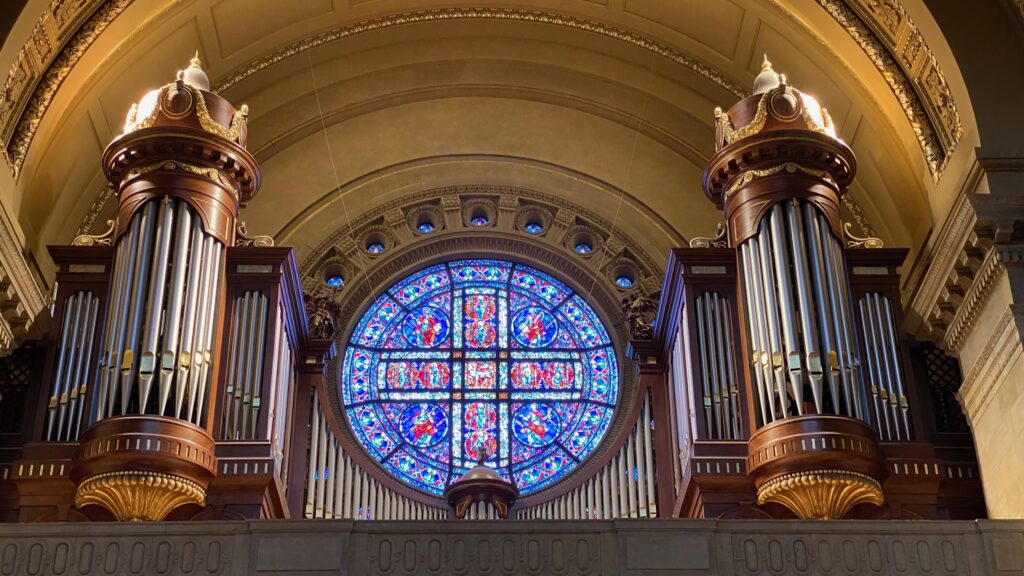
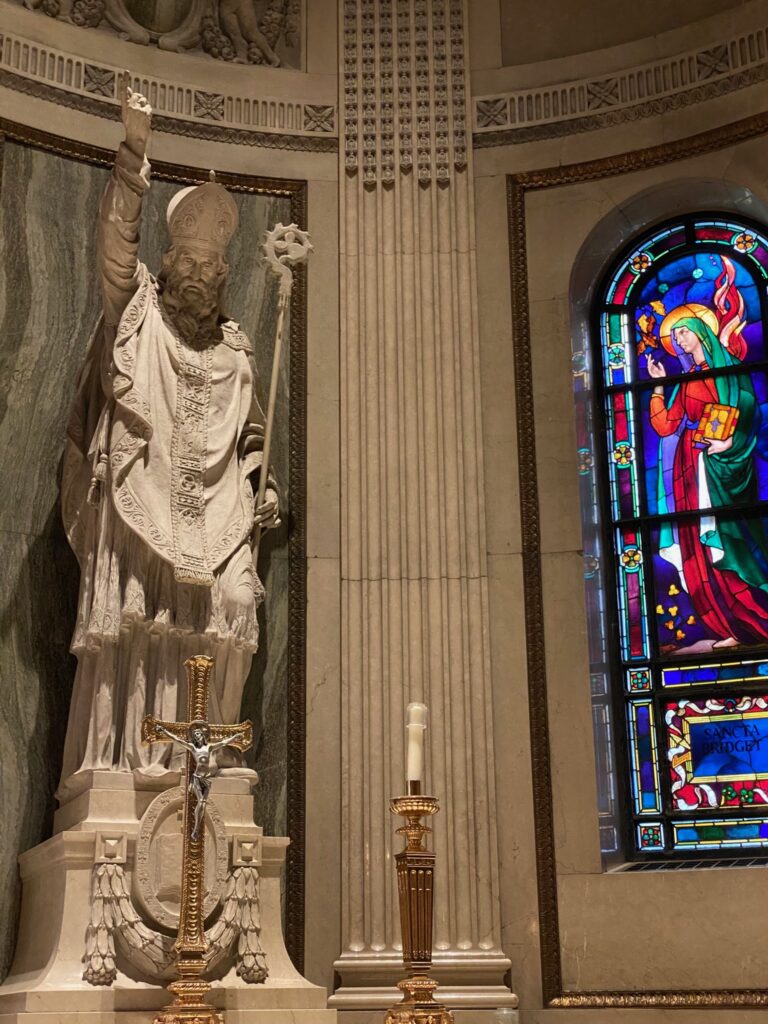
Don’t let the austere granite exterior fool you as opening these church doors provides a dramatic architectural reveal. The interior is illuminated by 24 stained glass windows and a rose window. Heroic size marble statues (nearly 12 feet high and weighing 8 tons each) are set into the niches that mark the four corners of the church. It opened on Palm Sunday of 1915, but work continued on the church’s interior for another 25 years including completing the final three of the planned six chapels that are dedicated to the ethnic groups that settled the area around the city – Italians, French Canadians, Germans, Slavs, and Irish – after the original architect died in 1917.
.
.
.
.

Together these two building tell the story of a community intent on creating lasting monuments that declared St. Paul’s intention to be a major American city, politically, spiritually, and culturally